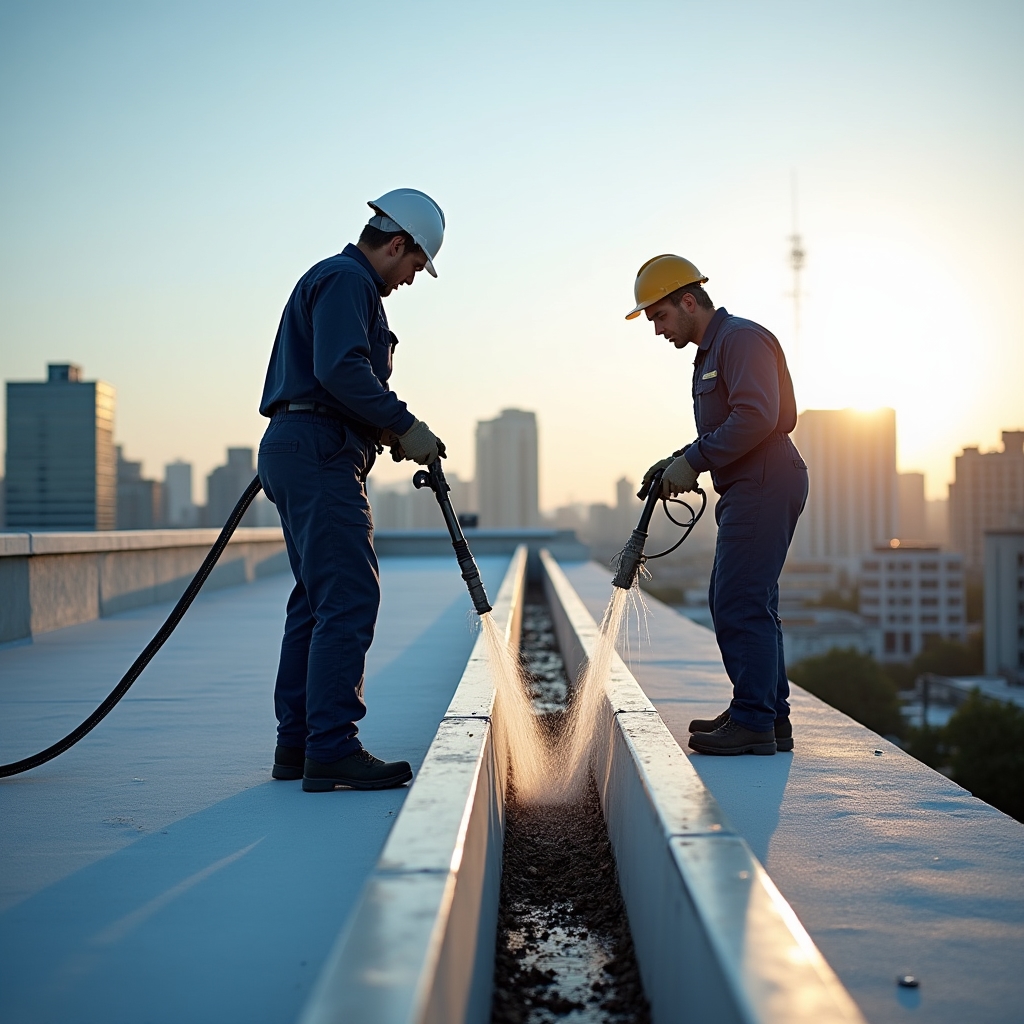
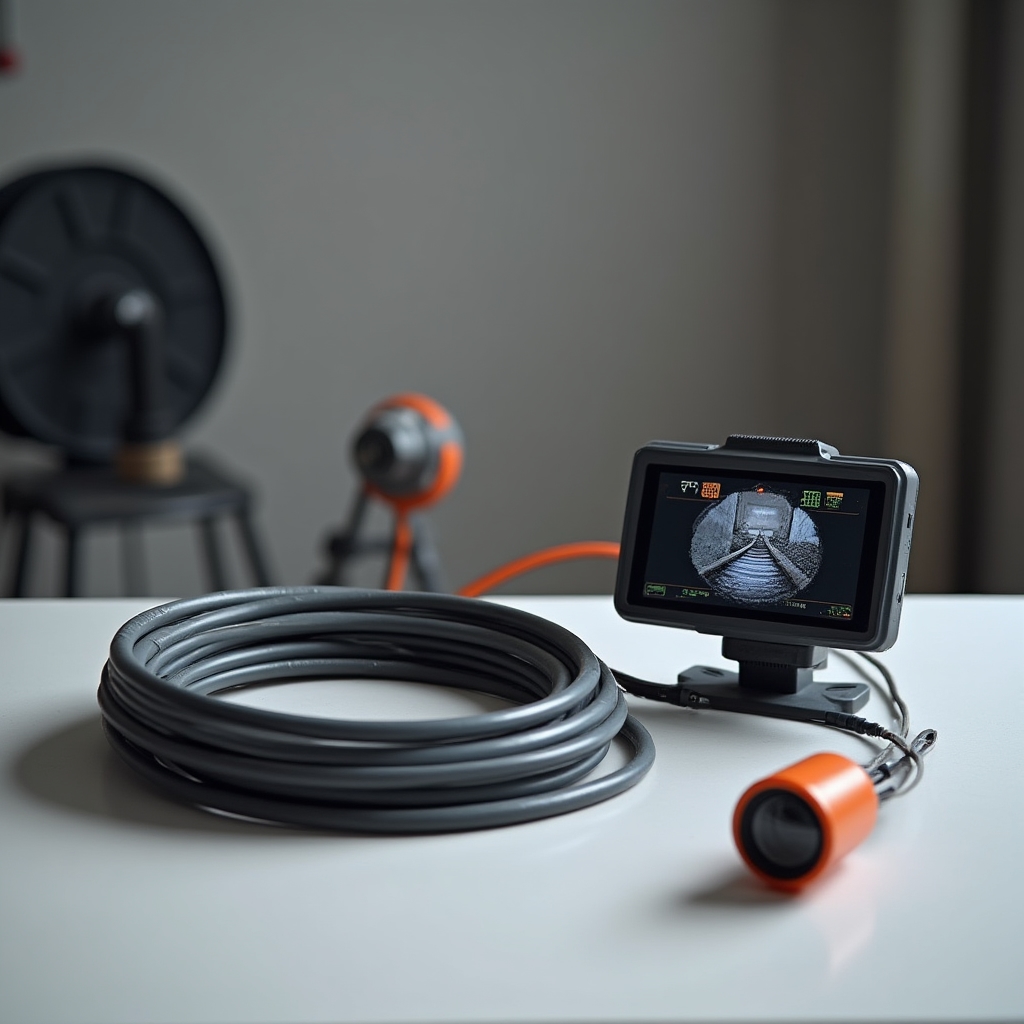
Camera inspection sometimes reveals conditions that go beyond routine cleaning. When that happens, the report identifies what was found and describes the options available for the building's drainage system.
Not every blocked pipe is simply dirty. Camera inspection can reveal conditions that developed over years: cracks at pipe joints from building movement, sediment that has hardened and adhered to pipe walls, pipe sections that have shifted or collapsed partially, and root intrusion from trees growing alongside the building.
These findings do not always require immediate intervention — but they need to be documented, understood, and factored into the building's maintenance plan. The inspection report describes what was found and what it may mean for the pipe's long-term function.
When remediation is appropriate, the report will describe the nature of the issue clearly enough for the consortium to understand the options and make an informed decision.
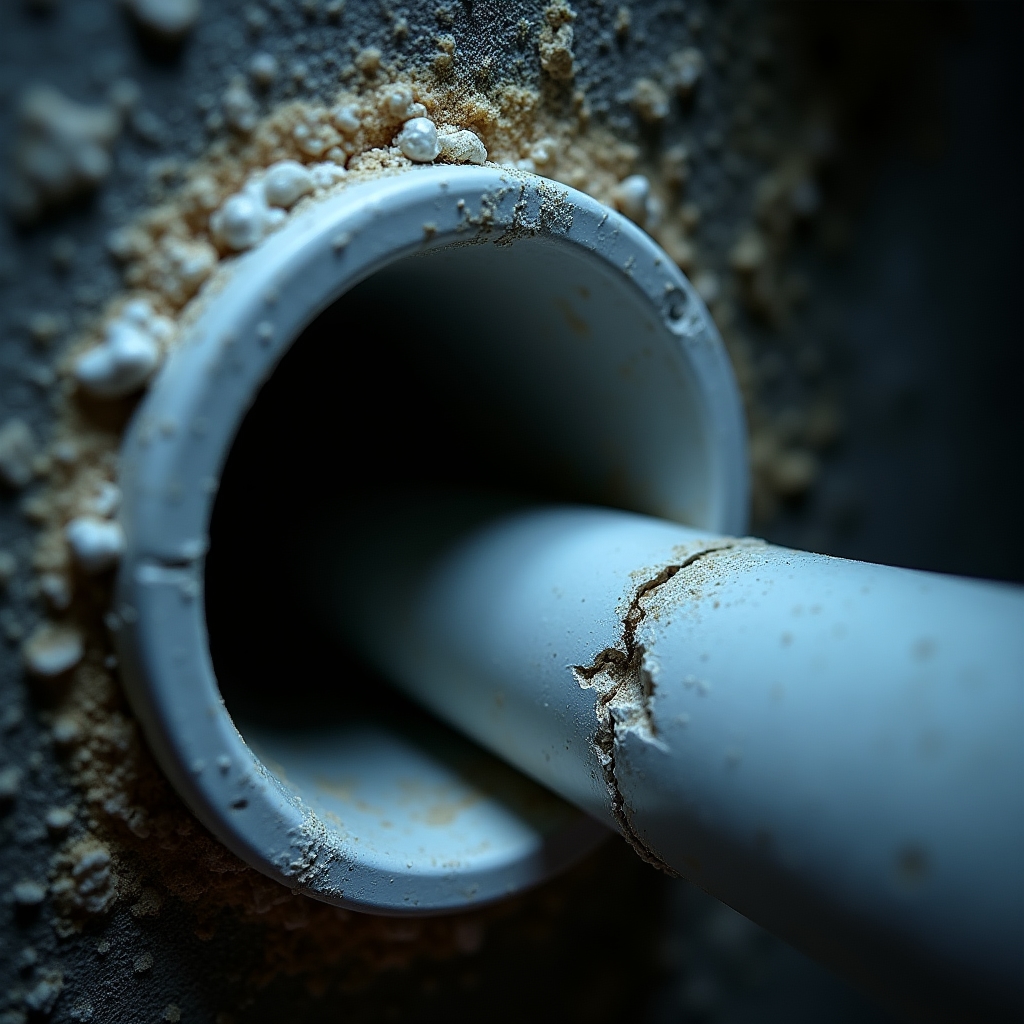
These are the most common structural findings documented during camera inspection of rainwater downpipes in high-rise buildings.
Over time, building movement and thermal expansion cause stress at pipe joints. Camera inspection reveals cracks, gaps or separations that allow water to escape the pipe before reaching the outlet, causing moisture in walls and slabs.
In older pipes, sediment accumulation can calcify and adhere firmly to pipe walls. Routine cleaning may not remove these deposits. The inspection identifies their location and extent, and describes what further treatment may be needed.
Tree roots from adjacent plantings can enter drainage pipes through joint gaps. Once inside, they grow and eventually cause complete blockage or pipe deformation. Camera inspection identifies root presence and approximate location.
Older plastic or clay pipes can deform under load or over time. Partial collapse reduces flow capacity and creates zones where debris accumulates rapidly. The inspection documents the location and degree of deformation.
When camera inspection identifies a structural issue, the written report describes the finding in plain language: what was observed, where it is located within the pipe, and what the likely implications are for drainage function.
The report also describes the general remediation options relevant to the finding — whether that means targeted pipe relining, section replacement, or more frequent cleaning to manage a condition that cannot be fully resolved without structural work.
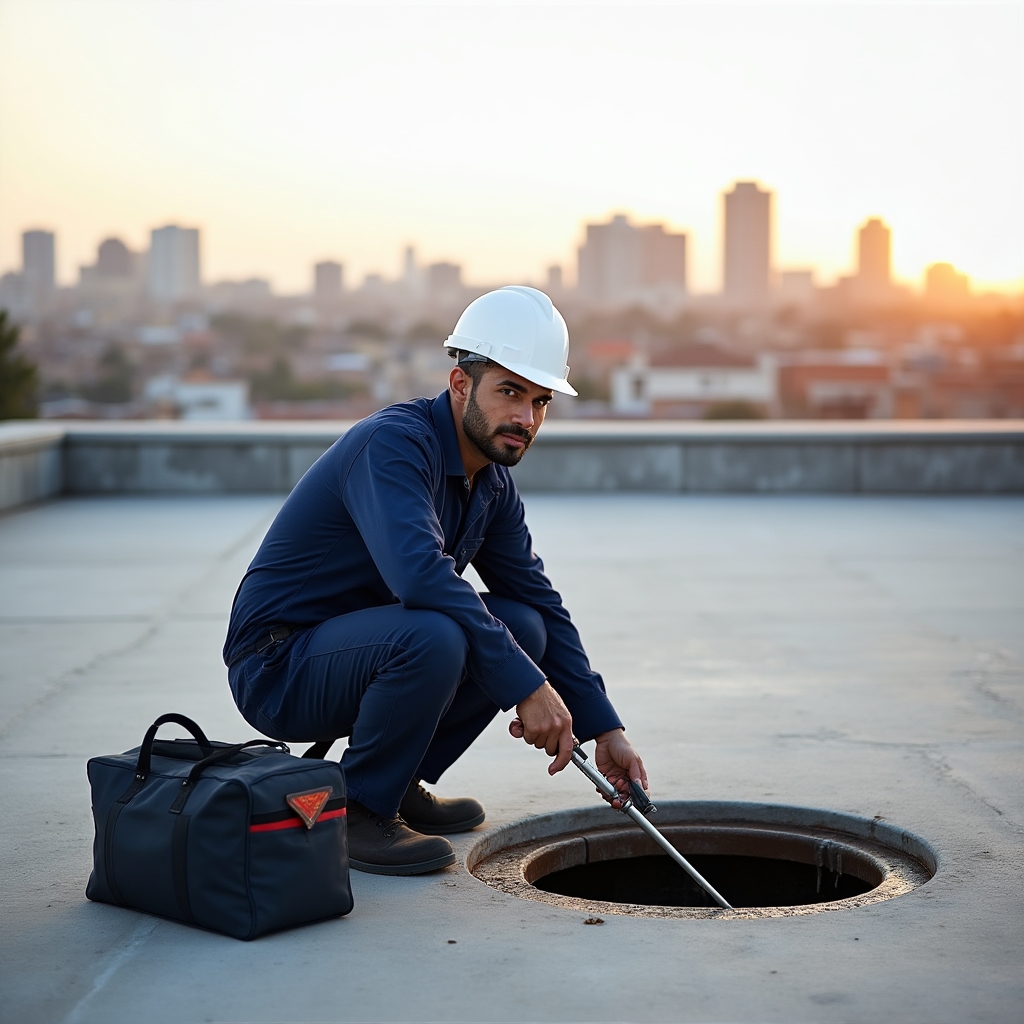
One of the less visible benefits of scheduled inspection is the accumulation of documentation over time. Each report adds to the building's maintenance record — showing what was found, what was done, and how conditions evolved between inspections.
This record is useful in several situations: when a new building administrator takes over and needs to understand the drainage system's history; when an insurance claim requires evidence of maintenance; or when a consortium is deciding whether a pipe section needs replacement or can continue to function with regular cleaning.
The value of a single inspection is the information it provides. The value of repeated inspections over time is the picture they build together.
Understanding the current state of your building's drainage is the first step. Contact us to arrange an inspection visit.
Request Inspection