Preventive maintenance only works when the information behind it is accurate. Our commitment is to document what we find, report it clearly, and recommend what the building actually needs.
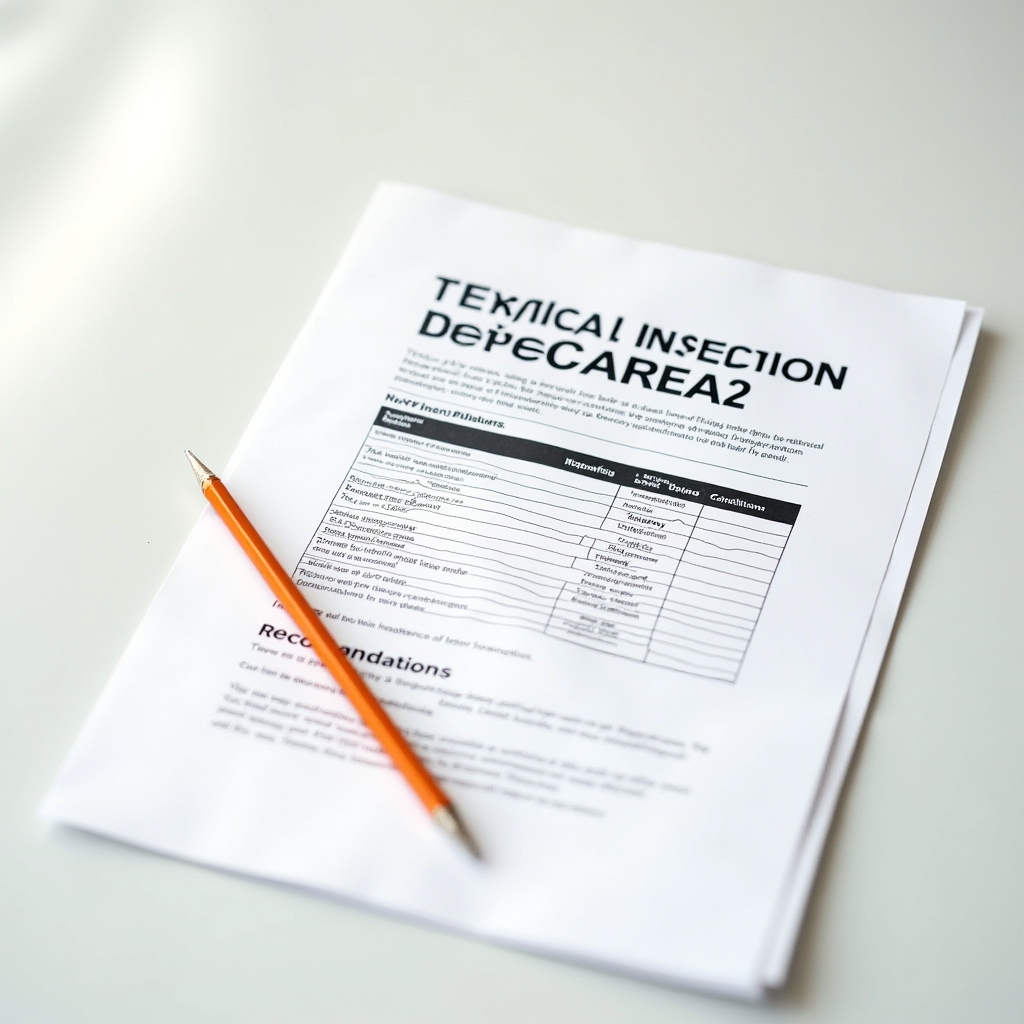
Every Loxnudi inspection produces a written record. Not a verbal summary, not a general impression — a structured document that describes the internal condition of each downpipe examined, identifies any anomalies found, and states a recommended maintenance frequency.
This documentation serves the consortium directly. It provides a baseline for future inspections, supports insurance claims when relevant, and gives building administrators a factual basis for maintenance decisions rather than guesswork.
We do not inflate findings or understate them. The report describes what the camera shows.
We do not recommend a maintenance frequency without first inspecting the pipes. The condition of the building's drainage system — not a generic schedule — determines what it needs.
If a pipe is in good condition, we say so. If there are structural issues beyond cleaning, we describe them accurately. Our role is to inform, not to create unnecessary work.
A building surrounded by mature trees in a high-traffic area has different maintenance needs than one in a low-pollution, open block. We account for the specific environment when making recommendations.
The purpose of this service is to act before water infiltration occurs. Scheduled inspections and cleaning prevent damage — they do not simply document it after the fact.
When a blocked downpipe causes water infiltration in a top-floor apartment, the immediate problem is visible: stained ceilings, damp walls, damaged furniture. But the secondary effects accumulate over time — structural moisture weakens building materials, mold affects air quality, and disputes between the consortium and affected residents become complicated and prolonged.
Preventive maintenance breaks this cycle. A pipe that is cleaned and inspected on schedule does not become an emergency. The inspection report gives the consortium the information it needs to act at the right time — before the first sign of infiltration appears.
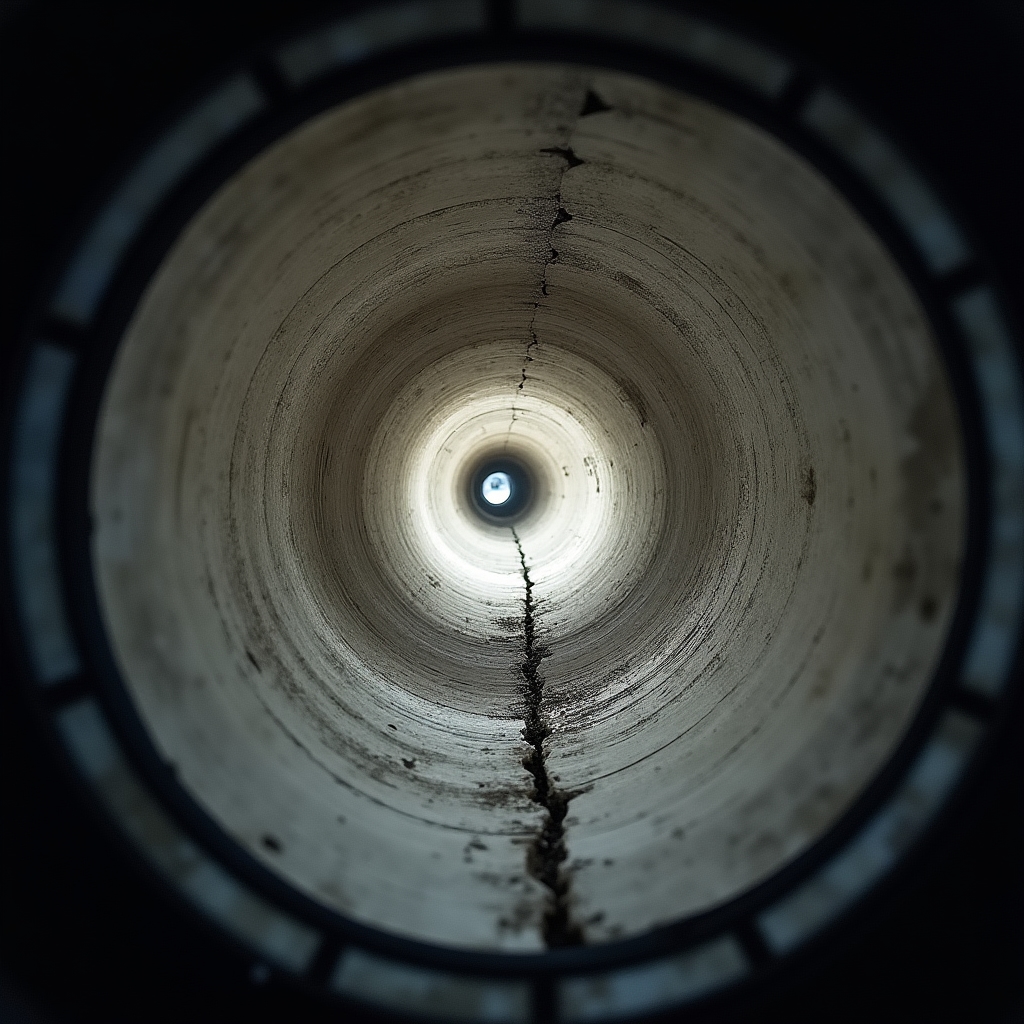
Schedule an InspectionA technician on the rooftop can see whether a drain grate is blocked. A camera inside the pipe reveals what happens further down — sediment accumulation on pipe walls, cracks at joints, root intrusion from adjacent trees, and sections where the pipe has shifted or deformed over time.
These internal conditions are not visible from the outside and are not revealed by flow tests alone. Camera inspection is the only method that produces an accurate picture of the pipe's internal state.
A clean drain grate does not mean a clean pipe. The camera confirms what cleaning alone cannot.